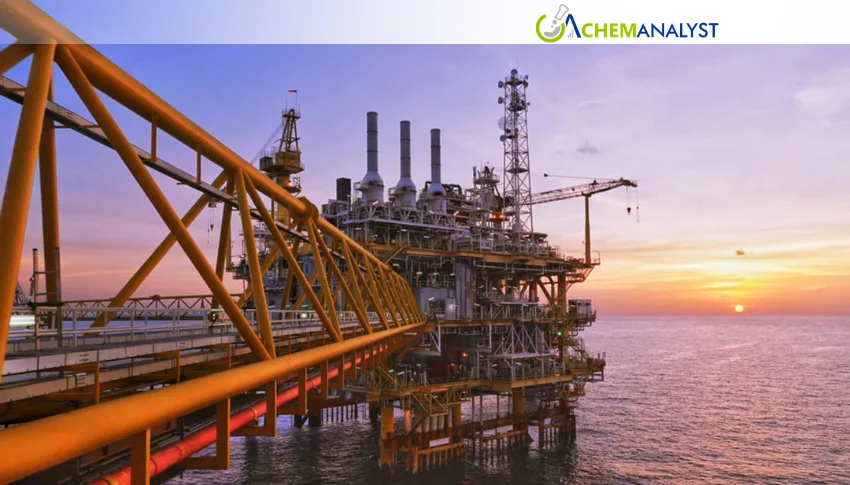
Egypt is reinforcing its commitment to expanding domestic natural gas production by supporting the investment and operational growth of UAE-based Dana Gas. The Egyptian government has reiterated its focus on creating a favorable business environment for international energy companies, aiming to accelerate exploration and production activities while strengthening long-term energy cooperation with strategic partners.
During a meeting with Richard Hall, Chief Executive Officer of Dana Gas, Egypt’s Minister of Petroleum and Mineral Resources, Karim Badawi, emphasized the government's dedication to enhancing collaboration with UAE energy firms operating in the country. He highlighted that Egypt remains committed to providing a stable and investor-friendly environment that encourages companies to expand their operations, ultimately contributing to higher oil and natural gas production and supporting the nation's energy security objectives.
The discussions focused on Dana Gas’ ongoing projects in Egypt, particularly its plans to expand exploration, field development, and production activities across its onshore Nile Delta concessions. These assets remain among the company’s most significant natural gas-producing areas, and the planned investments are expected to unlock additional reserves while improving production efficiency.
Minister Badawi reaffirmed the government's continued support for exploration and drilling programmes, noting that increasing production from existing fields remains a national priority. He also stressed the importance of accelerating the commercial development of newly discovered hydrocarbon resources to ensure a steady rise in domestic gas output. According to the minister, these efforts form part of Egypt’s broader strategy to maximize the value of its natural resources, reduce supply deficits, and strengthen its position as a regional energy hub.
The minister also acknowledged the longstanding partnership between Egypt and Dana Gas, describing the relationship as an important contributor to the country's upstream energy sector. He assured the company that the Ministry of Petroleum and Mineral Resources would continue working closely with its investment partners, providing the necessary institutional support and addressing operational challenges that could affect project execution.
In addition to encouraging investment, Egypt is increasingly deploying advanced technologies to improve hydrocarbon recovery from existing reservoirs. Minister Badawi highlighted the government's growing emphasis on modern production techniques such as horizontal drilling and hydraulic fracturing. These technologies are being adopted to enhance well productivity, improve reservoir performance, and maximize the recovery of available natural gas reserves, enabling operators to extract greater value from mature fields.
Richard Hall welcomed the Egyptian government's continued support, praising the Ministry of Petroleum and its affiliated institutions for facilitating Dana Gas’ operations in the country. He stated that the company's most recent drilling campaign had delivered highly encouraging results, leading to a substantial increase in its proven natural gas reserves. According to Hall, the successful programme boosted proven reserves by approximately 20% to 25%, strengthening the company's confidence in the geological potential of its Egyptian assets.
Encouraged by these positive exploration outcomes, Dana Gas has decided to expand its drilling programme by adding two additional wells. The new wells are intended to accelerate production growth, further evaluate promising reservoirs, and maximize the commercial potential of the company's concession areas in Egypt. This expansion reflects Dana Gas' long-term commitment to the Egyptian upstream sector and its confidence in the country's resource base.
Hall also expressed optimism regarding the future of Egypt's petroleum industry, noting that the country's investment climate has continued to improve through supportive government policies, regulatory reforms, and stronger cooperation between public institutions and private investors. He indicated that these developments enhance investor confidence and create favorable conditions for additional exploration and production investments.
Egypt's continued support for international energy companies, combined with increased use of advanced extraction technologies and sustained investment in exploration, is expected to play a significant role in boosting domestic natural gas production. These initiatives are likely to improve energy supply reliability, strengthen the country's upstream sector, and support its broader ambition of becoming a leading regional energy producer and exporter.
Impact on Product and Chemical Commodity Prices
Egypt's support for Dana Gas' expansion is expected to gradually improve domestic natural gas availability, strengthening feedstock supply for gas-dependent industries such as ammonia, methanol, urea, hydrogen, and petrochemicals. Higher production from the Nile Delta fields could reduce Egypt's dependence on LNG imports while ensuring more reliable gas allocation to fertilizer and chemical manufacturers. For commodities tracked by ChemAnalyst, the immediate pricing impact is expected to be limited, as the additional production will require time to come online. However, over the medium term, improved gas availability could ease production constraints and lower manufacturing costs for nitrogen fertilizers, methanol, and downstream petrochemicals, exerting mild downward pressure on domestic prices. Regionally, increased Egyptian gas output may improve supply security across the Eastern Mediterranean and support export opportunities, contributing to a more balanced natural gas market. Overall, the development is bearish to stable for natural gas-based chemical commodity prices over the longer term, assuming planned production targets are successfully achieved.







 About ChemAnalyst
Leave a Comment
Comments (0)