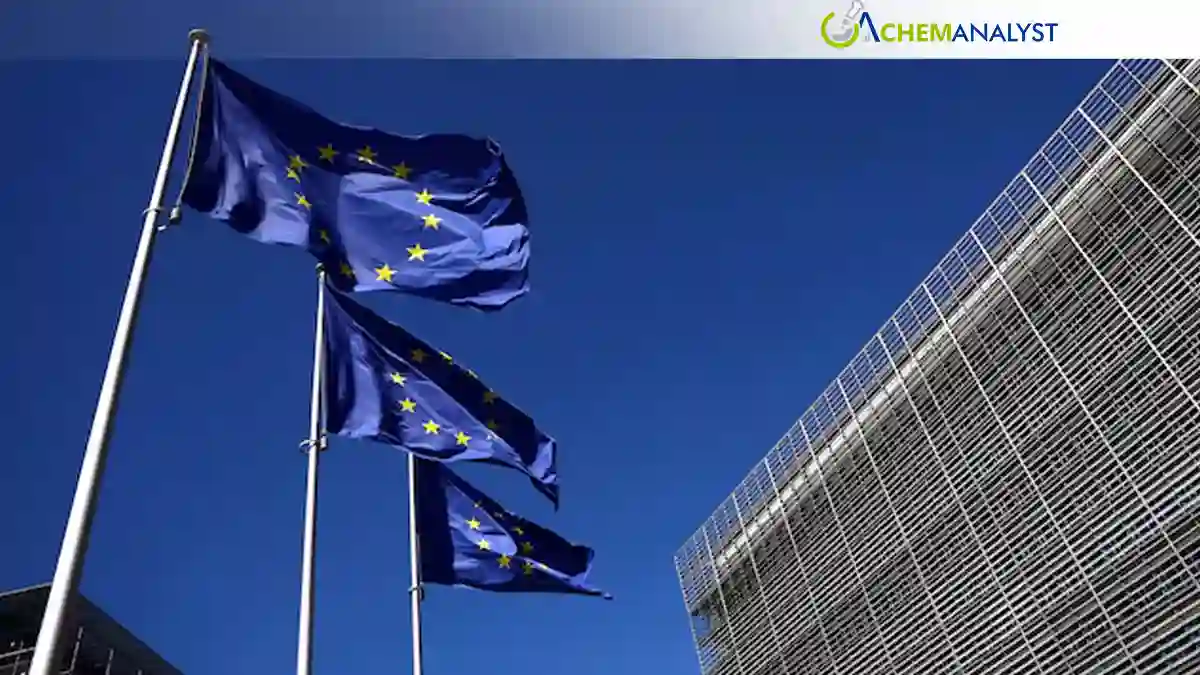
European Union ambassadors have reached an agreement on the bloc's 21st sanctions package against Russia, further intensifying economic pressure over the ongoing conflict in Ukraine. The latest measures focus primarily on Russia's financial sector while also incorporating a compromise on liquefied natural gas (LNG) following concerns raised by Greece.
Under the new package, EU member states approved a one-year exemption that permits European companies to continue transferring Russian LNG to non-EU countries. The exemption, which includes an automatic renewal mechanism, was introduced after Greece argued that an outright ban on LNG transfer services would simply redirect business to shipping companies outside Europe without significantly reducing Russian revenues. Although the transfer exemption has been granted, direct imports of Russian LNG into the European Union will remain prohibited from January 1 as previously planned.
Greece played a significant role in the negotiations due to its dominant position in Europe's LNG shipping market. The country controls one of the world's largest LNG carrier fleets, competing with major maritime nations such as Japan, China, and the United States. EU diplomats indicated that the compromise reflected solidarity among member states and could encourage reciprocal cooperation on future policy decisions.
Another key component of the sanctions package is the decision to freeze Russia's oil price cap at $44.10 per barrel for the next 12 months. This move prevents any upward revision of the cap despite higher global oil prices linked to geopolitical tensions, including the conflict involving Iran. According to European Commission President Ursula von der Leyen, maintaining the lower price cap is intended to limit Russia's ability to generate additional revenue from rising energy markets and reduce financial support for its military operations.
The sanctions also significantly expand restrictions on Russia's financial system. A total of 94 Russian financial institutions, primarily banks, along with the Moscow Stock Exchange, have been added to the sanctions list. Once formally adopted, these organizations will face comprehensive restrictions, including asset freezes, transaction prohibitions, and travel bans. The EU believes these measures will increase pressure on Russia's financial sector at a time when its economy is facing mounting challenges.
In addition, the package introduces sanctions against vessels associated with Russia's so-called shadow fleet, which has been used to circumvent international oil trade restrictions. It also extends transaction bans to additional cryptocurrency platforms and oil trading companies believed to facilitate Russia's efforts to evade existing sanctions.
The remaining technical procedures are expected to conclude shortly, after which the sanctions package will be formally adopted through a written approval process.
Impact on Products and Chemical Commodity Prices
The expanded sanctions are likely to tighten global energy trade, particularly in crude oil, LNG logistics, and financial transactions linked to Russian exports. Although the temporary LNG transfer exemption eases immediate shipping disruptions, continued restrictions on Russian banking and oil trade could elevate transportation costs and increase supply uncertainty. For ChemAnalyst-tracked commodities, crude oil, natural gas, methanol, ammonia, urea, ethylene, propylene, polyethylene, polypropylene, benzene, and other petrochemical feedstocks may experience mild to moderate upward price pressure if geopolitical tensions persist. However, the Greek LNG compromise may help prevent severe supply disruptions, limiting sharp price spikes across European chemical and energy markets.








 About ChemAnalyst
Leave a Comment
Comments (0)