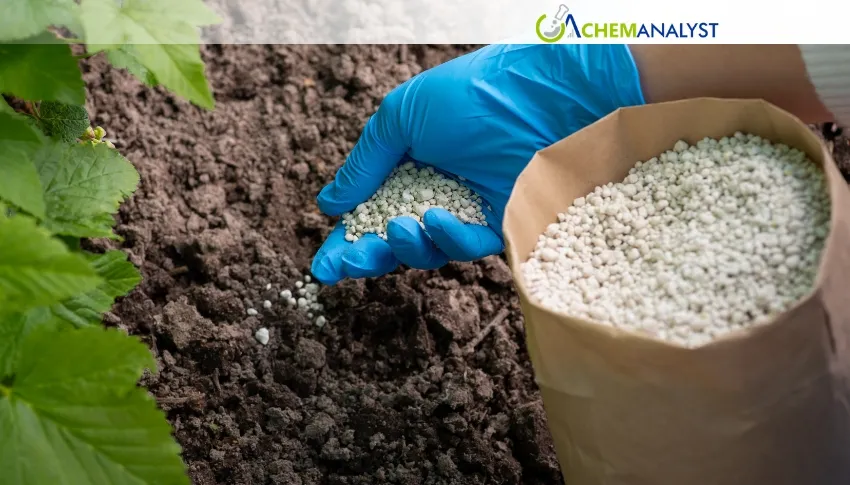
A significant global fertilizer shortage is currently challenging farmers worldwide, primarily due to geopolitical conflicts and tightened border checks. This crisis is driving up costs and threatening agricultural output, with many farmers struggling to secure essential nutrients for their crops. More than 70% of surveyed farmers reported being unable to afford all needed fertilizer for spring planting in 2026.
The primary cause of the fertilizer shortage stems from the escalation of tensions in the Middle East and the closure or disruption of the Strait of Hormuz, a critical maritime corridor. This waterway handles approximately one-third of the world's seaborne fertilizer shipments and a significant portion of natural gas, a key component in nitrogen fertilizer production. The conflict has led to sharp price increases for both energy and fertilizers.
Beyond geopolitical events, global supply chains continue to face disruptions. Trade restrictions and increased scrutiny at borders further impede the flow of fertilizer shipments. Additionally, high natural gas prices contribute significantly to the increased cost of producing nitrogen fertilizers.
Farmers are bearing the brunt of this crisis, facing substantially higher input costs and limited access to vital fertilizers. Nitrogen fertilizer prices, for example, have risen more than 30% since the conflict began. This financial strain forces many to reduce fertilizer application, which can lead to lower crop yields and reduced overall production. Specialty crop producers, such as those growing rice, cotton, and peanuts, are particularly affected, with over 80% unable to afford all required fertilizer.
To cope, some farmers are exploring alternative methods of maintaining soil fertility, including using manure, compost, and cover crops. Others are shifting to less fertilizer-intensive crops, like soybeans, to manage costs and risks. However, experts note that farmers often struggle to pass these increased production costs on to consumers, absorbing much of the financial burden themselves.
The fertilizer shortage has significant economic and geopolitical ramifications. It fuels concerns about global food security and potential food price inflation, especially in vulnerable regions. While consumers may see some higher food prices, particularly for certain commodities, experts suggest that farmers will largely shoulder the increased costs.
The situation also highlights the vulnerability of the global fertilizer sector to supply and trade shocks. The concentration of potash supply in a few countries, like Canada, Russia, and Belarus, and phosphate production in Morocco, China, and Saudi Arabia, means geopolitical events have outsized impacts on farm input costs worldwide. Governments have shown support for agriculture and fertilizers, with some actions aimed at lowering costs, such as suspending certain tariffs. The market has shown some resilience, with efforts to reroute trade and stabilize supply chains.
Impact on Products and Chemical Commodity Prices
The ongoing global fertilizer shortage is expected to significantly tighten the supply-demand balance across fertilizer markets, supporting higher prices for nitrogen, phosphate, and potash products. Nitrogen fertilizers, including Urea, Ammonia, UAN, Ammonium Nitrate, CAN, and Ammonium Sulphate, are likely to witness sustained price increases due to elevated natural gas costs and constrained exports from the Middle East. DAP, MAP, TSP, SSP, NPK fertilizers, Phosphoric Acid, Sulphuric Acid, Sulphur, Rock Phosphate, and Potash (MOP/SOP) could also remain firm as global trade disruptions and border restrictions limit availability. For chemical commodities tracked by ChemAnalyst, prices of Natural Gas, Ammonia, Methanol, and downstream nitrogen derivatives are expected to stay elevated because of higher feedstock costs and logistical bottlenecks. Increased production expenses and uncertain shipping routes through the Strait of Hormuz will further strengthen bullish market sentiment, while limited fertilizer affordability may suppress agricultural demand in some regions but is unlikely to offset the prevailing supply-side pressure in the near term.







 About ChemAnalyst
Leave a Comment
Comments (0)