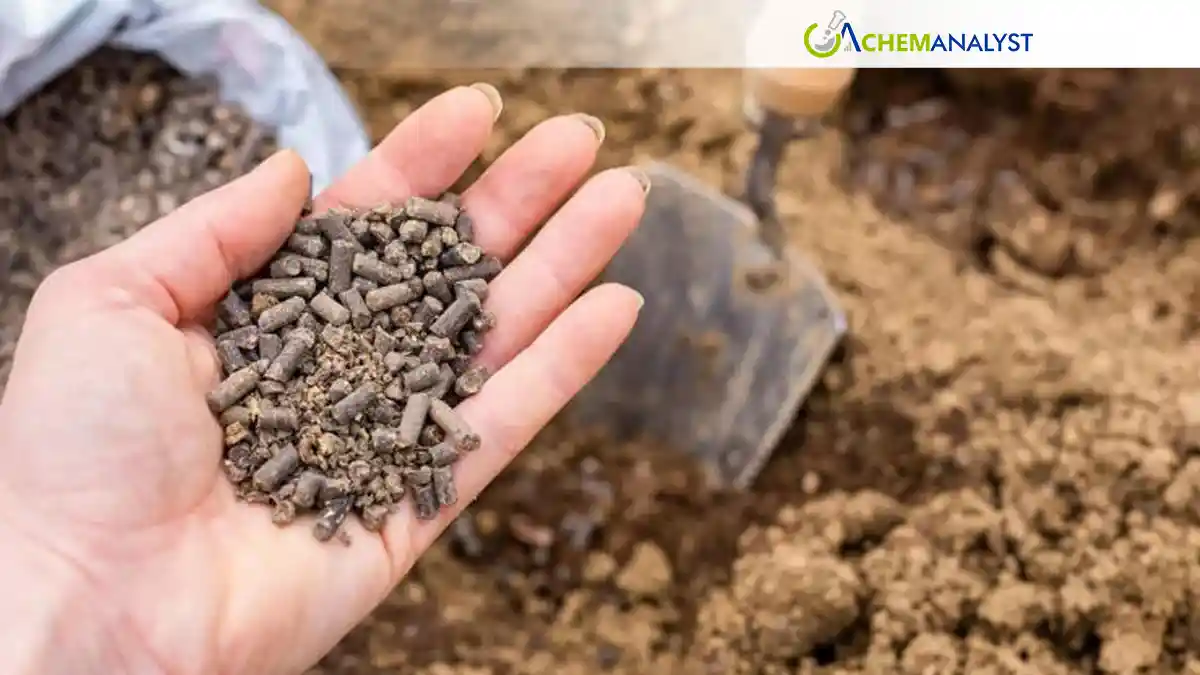
The ongoing tensions involving Iran pose a significant threat to the global flow of fertilizer, particularly impacting South American agricultural powerhouses like Brazil and Argentina. This situation arises as a fragile ceasefire between the United States and Iran shows signs of fraying, coinciding with the critical planting season in the Southern Hemisphere.
Since late June, the flow of fertilizer ships into the Persian Gulf has dramatically slowed following a series of Iranian attacks on vessels transiting the Strait of Hormuz. This narrow waterway is crucial, accounting for approximately one-third of global urea exports and a similar proportion of overall seaborne fertilizer trade. Before the recent escalation, 20 to 40 ships would typically load fertilizer from the broader Gulf region each week. However, tanker tracking data indicates that only four empty vessels booked for fertilizer cargoes have entered the Gulf through the Strait since June 30. The Middle East serves as a major production hub and a vital logistics channel for fertilizers, making any disruption here immediately impactful.
The timing of these disruptions is particularly sensitive because an exceptionally powerful El Niño pattern is forecast, increasing weather-related risks for farmers already struggling with fertilizer shortages and high energy costs from the conflict. Brazil and Argentina, two of the world's leading crop exporters, face substantial risks to their agricultural sectors, which could trigger a ripple effect on global food prices.
Brazil, the world's fourth-largest fertilizer importer, relies on imports for about 70 percent of its fertilizer demand. Approximately 17 percent of its nitrogen-based fertilizers came from the Middle East in 2025. In the first half of 2026, Brazil's urea imports dropped by 32 percent as farmers delayed purchases or switched to cheaper nitrogen products during the conflict's peak. Similarly, Argentina, the world's third-largest food exporter, imports roughly half of its fertilizer needs, with the Middle East supplying 26 percent of its nitrogen-based fertilizers in 2025, putting pressure on wheat, corn, and barley production.
The conflict has caused global fertilizer prices to surge by over 25 percent since early March. Granular urea prices in Brazil, for instance, rose by more than 50 percent from late February to late March. This surge, coupled with lower crop prices compared to 2022, is squeezing farmers' profit margins significantly. Farmers might reduce fertilizer use or plant less input-intensive crops, which could affect future supply. If the Strait of Hormuz remains disrupted through July, Brazil's cumulative urea imports from April 2026 to March 2027 could fall by 18.7 percent, with a longer closure leading to a 27.3 percent decline. This vulnerability highlights the need for greater investment in domestic fertilizer production to reduce reliance on external conflicts.
Impact on ChemAnalyst-tracked Chemical Commodity Prices
The continued disruption of fertilizer exports through the Strait of Hormuz is expected to keep Urea prices elevated due to constrained global supply and strong seasonal demand from South America. Other nitrogen fertilizers tracked by ChemAnalyst, including Ammonia, Ammonium Nitrate, and UAN (Urea Ammonium Nitrate), are also likely to witness upward price pressure as buyers seek alternative nitrogen sources. Increased natural gas and freight costs resulting from Middle East geopolitical tensions will further raise production and transportation expenses for nitrogen fertilizers. Sulphur, a key raw material for phosphate fertilizers, may also experience price gains if regional logistics remain disrupted. Consequently, phosphate fertilizers such as DAP (Diammonium Phosphate) and MAP (Monoammonium Phosphate) could become more expensive due to higher input and shipping costs. Overall, prolonged instability in the Persian Gulf is expected to maintain a firm-to-bullish pricing trend across ChemAnalyst's tracked fertilizer and nitrogen chemical commodities while increasing procurement costs for global agricultural markets.








 About ChemAnalyst
Leave a Comment
Comments (0)