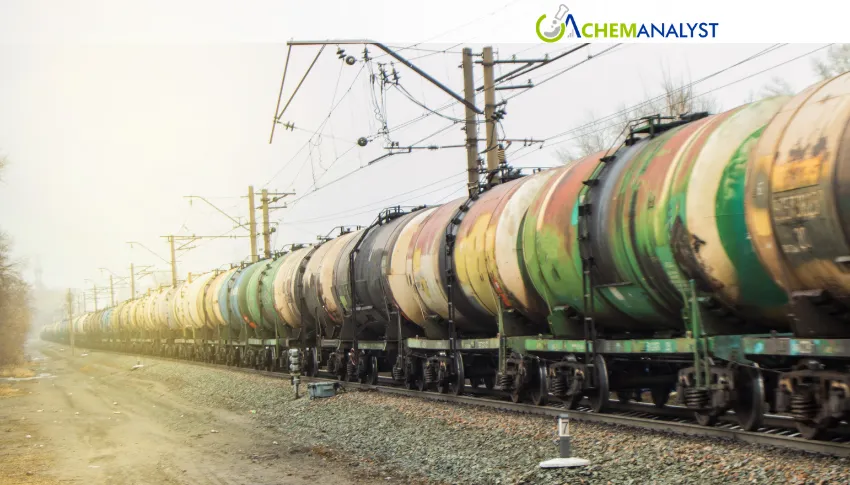
Kyrgyzstan's government has implemented an indefinite ban on the export of crude oil and petroleum products by road and rail. This measure aims to safeguard domestic fuel supplies and bolster the nation's energy security. The Cabinet of Ministers issued the resolution on Monday, July 12, 2026, with the restrictions remaining in effect until the domestic market achieves sufficient supply or a common oil and petroleum products market is established within the Eurasian Economic Union (EAEU).
The primary reason for the export ban stems from fuel shortages, largely due to supply disruptions from Russia. Kyrgyzstan is heavily reliant on Russia, importing over 90% of its petroleum products from its northern neighbor. Recent Ukrainian drone strikes on oil refineries in Russia have significantly reduced Russia's refinery output, leading to severe fuel shortages. Furthermore, Russia has tightened its own fuel exports, including gasoline and jet fuel, exacerbating the supply challenges for importing nations like Kyrgyzstan.
The ban seeks to stabilize domestic fuel prices and guarantee a consistent supply for consumers, farmers, and small transport companies. This action follows earlier attempts by the Kyrgyz government to manage fuel costs, including temporary state regulation of prices introduced on May 25, 2026. However, these price controls were partially rescinded on July 7, 2026, for AI-95 gasoline, in an effort to ensure uninterrupted supplies. The directive directly affects companies involved in petroleum product importing and distribution. With domestic refineries meeting only about five percent of national demand, Kyrgyzstan is also pushing its modernized Junda refinery to increase gasoline output for the local market.
This export ban underscores Kyrgyzstan's significant energy security challenges and its deep dependence on external fuel sources, particularly Russia. The ripple effects of the conflict in Ukraine are clearly impacting Central Asian energy stability. In response to the reduced Russian deliveries, Kyrgyzstan has actively sought alternative suppliers, signing contracts for diesel and jet fuel with Belarus and China. The new ban also specifically extends to EAEU member states, indicating a strong focus on national supply preservation over regional trade in these critical commodities.
Impact on Prices of Chemical Commodities Tracked by ChemAnalyst
Kyrgyzstan's indefinite export ban is expected to have limited direct impact on global chemical commodity prices, as the country is a relatively small player in international petroleum markets. However, the move highlights ongoing regional supply tightness caused by reduced Russian refinery output. If Russian fuel shortages persist, prices of key petrochemical feedstocks such as Naphtha, Benzene, Toluene, Mixed Xylene (MX), Propylene, Ethylene, and Fuel Oil could remain supported across Central Asia and neighboring regions due to constrained product availability and elevated transportation costs. Downstream products including Polypropylene (PP), Polyethylene (PE), Styrene, MEG, and MTBE may also experience mild upward pricing pressure if feedstock costs continue rising. While global markets are unlikely to witness significant disruption solely from Kyrgyzstan's export restriction, the measure reinforces broader concerns over regional energy security and supply chain stability, potentially sustaining a firm price outlook for petroleum-derived chemical commodities in the near term.








 About ChemAnalyst
Leave a Comment
Comments (0)