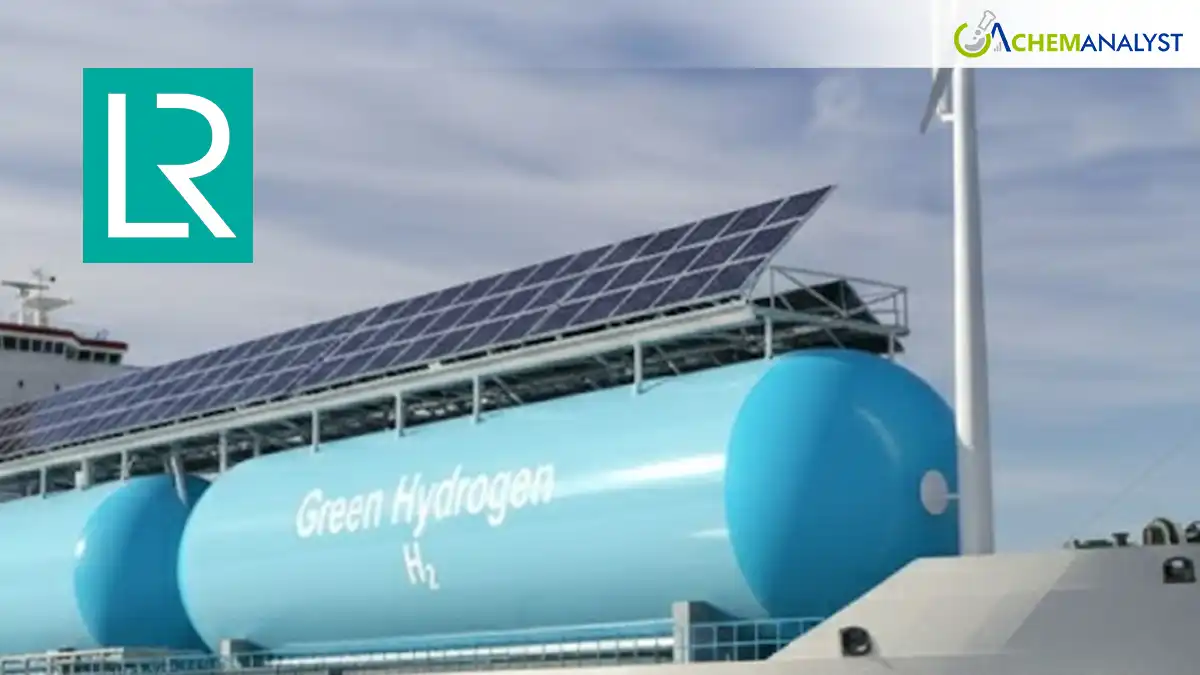
Lloyd’s Register (LR) has released the maritime sector’s first dedicated Guidance Notes for onboard hydrogen generation, marking a significant step toward regulatory clarity as the shipping industry explores hydrogen-based solutions. The publication addresses a long-standing gap by outlining clear expectations for the safe design, installation, and integration of hydrogen generation systems on board vessels.
The new Guidance Notes have been developed in direct response to increasing interest from shipowners, shipyards, and technology developers who are actively assessing the feasibility of producing hydrogen onboard ships. Rather than relying solely on externally supplied hydrogen, many stakeholders are exploring the use of alternative fuels such as liquefied natural gas (LNG), methanol, and ammonia as feedstocks to generate hydrogen during operation.
Hydrogen is widely regarded as a critical enabler of maritime decarbonisation, particularly for fuel cell applications and future zero-emission propulsion concepts. However, its adoption has been constrained by several practical challenges. Global hydrogen supply chains remain limited, and the lack of mature bunkering infrastructure creates uncertainty for shipowners planning long-term investments. Additionally, storing hydrogen onboard—whether in compressed or liquefied form—demands significant space and introduces technical complexity, making integration difficult for many vessel types.
Onboard hydrogen generation is increasingly viewed as a pragmatic transitional solution. By producing hydrogen directly on the vessel, shipowners can reduce or eliminate the need for large-scale hydrogen storage systems and avoid dependence on the future rollout of dedicated hydrogen bunkering networks. This approach enables vessels to begin using hydrogen-based technologies sooner, while also supporting compliance with increasingly stringent emissions regulations and long-term decarbonisation targets set by regulators and charterers alike.
Despite its promise, onboard hydrogen generation introduces its own set of safety, technical, and regulatory considerations. The simultaneous presence of hydrogen alongside low-flashpoint fuels, combined with the confined nature of shipboard environments, elevates risk profiles. Compounding this challenge is the current absence of comprehensive international regulations specifically covering onboard hydrogen production systems.
LR’s Guidance Notes aim to bridge this gap. Building on its established Rules for fuel cells and low-flashpoint fuels, LR has developed a structured, risk-based framework tailored to onboard hydrogen generation. The guidance provides clarity on hazard identification, system design, safety measures, and integration requirements, helping stakeholders navigate uncertainty during the early stages of project development.
The document also recognises that many hydrogen generation technologies originate from land-based applications and require careful adaptation for marine use. By aligning core safety principles with existing classification requirements, the Guidance Notes ensure consistency with current maritime standards while remaining flexible enough to accommodate innovation. This alignment is expected to facilitate constructive engagement with flag Administrations, designers, and equipment manufacturers.
For shipowners, shipyards, and technology providers, the Guidance Notes are anticipated to significantly reduce both technical and regulatory ambiguity for projects already in progress or under consideration. Clear expectations at an early stage can streamline approval processes, shorten timelines for plan approval, and reduce investment risk associated with emerging hydrogen technologies, whether for newbuilds or retrofit projects.
Commenting on the release, Thomas Bayer, Lead Specialist for Fuel Cell Technology within LR’s Technical Directorate, emphasised the importance of timely guidance. He noted that the industry cannot afford delays while waiting for formal international regulations to be finalised. According to Bayer, the new Guidance Notes provide the clarity needed to move hydrogen generation projects from conceptual discussions to real-world implementation.
By issuing dedicated guidance ahead of global standards, Lloyd’s Register further strengthens its role as a trusted technical advisor and reinforces its leadership in supporting the maritime industry’s transition toward low- and zero-carbon energy solutions.







Leave a Comment
Comments (0)