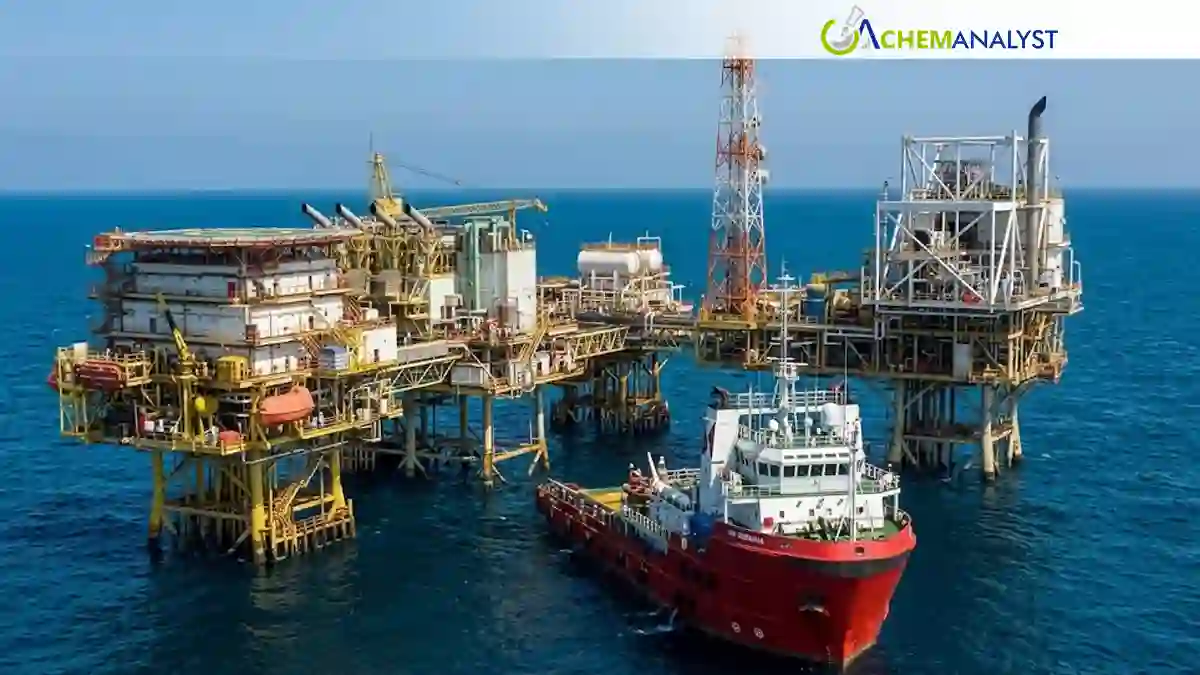
Sabah is set to expand its participation in the oil and gas industry through new equity investments in upstream and liquefied natural gas projects, according to Chief Minister Datuk Seri Hajiji Noor.
The Sabah government plans to acquire a 30% stake in two newly developed oil and gas fields located along the state’s east coast. The move is part of a broader strategy to increase Sabah’s ownership and economic benefits from its natural resources.
Hajiji also announced that the state government is finalizing plans to acquire a 40% equity interest in a floating liquefied natural gas (FLNG) facility project in Sabah. He said an agreement covering the partnership is expected to be signed soon, marking another major step toward strengthening the state’s position in the natural gas value chain.
The initiatives are being pursued under Sabah’s strategic collaboration with Petronas through the Commercial Collaborative Agreement (CCA). According to Hajiji, the partnership has increased the state government’s equity participation in the exploration and development of Sabah’s oil and gas resources while creating additional opportunities for local companies to participate in the sector.
The state government is also planning several new industrial development initiatives to attract investment and expand downstream economic activity. These include industrial parks in areas such as Kota Belud and a proposed blue economy hub in Kudat. The projects are intended to stimulate investment, strengthen local supply chains and increase domestic economic activity.
Hajiji said strengthening Sabah’s financial position and improving revenue collection remain key priorities for the state government. Since 2022, Sabah has maintained annual revenue collection at around RM7 billion, while the government expects collections to rise to RM8 billion this year.
The state has also recorded strong investment growth in its manufacturing sector. Hajiji said Sabah attracted RM7.6 billion in manufacturing investment in 2025, representing an increase of nearly 208% compared with 2024.
The government views the continued expansion of the energy and industrial sectors as an important driver of Sabah’s economic development. Increased participation in upstream oil and gas production and LNG infrastructure could provide the state with greater exposure to energy revenues while encouraging local businesses to enter the oil and gas supply chain.
The developments also reinforce Sabah’s ambition to establish itself as a strategic investment destination despite ongoing domestic and global economic challenges.
Impact on Products and Chemical Commodity Prices
Sabah’s increased ownership in oil and gas fields and planned 40% stake in an FLNG project could support higher regional energy production and LNG export capacity over the medium term. Greater upstream investment may strengthen crude oil and natural gas supply, potentially limiting sharp price increases if production expands as planned. For chemical commodities tracked by ChemAnalyst, the impact would vary by feedstock. Natural gas-based chemicals, methanol and ammonia could benefit from improved gas availability, while potentially facing downward price pressure if feedstock costs decline. Ethylene, propylene and other petrochemical products may see limited direct impact initially, with broader effects dependent on production volumes, exports and regional energy prices.







Leave a Comment
Comments (0)