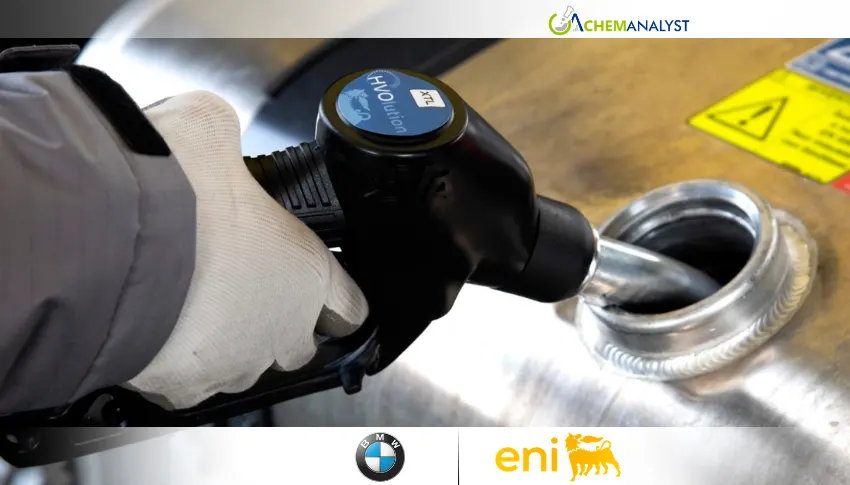
Eni and the BMW Group have strengthened their partnership to promote low-carbon mobility by powering BMW corporate fleet vehicles in Italy with Enilive HVOlution, a hydrotreated vegetable oil (HVO) diesel biofuel produced entirely from renewable feedstocks. The initiative reinforces both companies' commitment to reducing greenhouse gas emissions while utilizing existing diesel vehicle infrastructure.
Enilive, Eni's sustainable mobility division, produces HVO from waste-based raw materials, including used cooking oil and animal fats, at its biorefineries in Venice and Gela. According to the company, its HVO fuel delivered an average lifecycle CO2-equivalent emissions reduction of 79.5% in 2025 compared with conventional fossil diesel.
As part of the collaboration, BMW has deployed demonstration and development diesel fleets running exclusively on pure HVO. The automaker has also introduced a digital fuel-tracking solution that compares vehicle refueling records with fleet payment systems, ensuring transparent verification of renewable fuel usage. BMW fleet vehicles can refuel with HVOlution across Italy, Germany, and Austria through Enilive's network of nearly 1,700 service stations.
The agreement builds on the existing partnership between Eni and BMW Italia aimed at accelerating sustainable mobility. BMW has already approved the use of HVO fuels meeting the EN 15940 standard for most diesel vehicles manufactured since late 2014 with Generation B diesel engines. To encourage wider adoption, BMW Italia is also offering HVO fuel vouchers to customers purchasing new diesel models.
Both companies view renewable fuels as an immediate and practical solution for lowering transport emissions while electric vehicle adoption continues to expand. By enabling existing diesel vehicles to operate with significantly lower lifecycle emissions without requiring engine or infrastructure modifications, HVO provides a scalable pathway for decarbonizing Europe's large conventional vehicle fleet.
Impact on Chemical Commodity Prices Tracked by ChemAnalyst
The Eni–BMW partnership is unlikely to trigger immediate price movements but strengthens the long-term outlook for renewable fuels and bio-based feedstocks. Renewable Diesel (HVO) is expected to remain bullish as expanding corporate fleet adoption supports production and investment. Used Cooking Oil (UCO), animal fats, and waste oils are also bullish due to rising feedstock demand from biorefineries. Biodiesel feedstocks may see a slightly bullish trend as renewable diesel capacity expands. Meanwhile, crude oil and fossil diesel remain neutral to slightly bearish over the long term, while green hydrogen, methanol, and ammonia are expected to experience no significant pricing impact.








 About ChemAnalyst
Leave a Comment
Comments (0)