New military strikes near the Strait of Hormuz caused oil prices to jump by four percent on June 10, 2026, marking the largest daily percentage gain for crude benchmarks since January 2026. This surge highlights escalating geopolitical risks in a critical global shipping lane. The attacks have intensified concerns about potential disruptions to the world's oil supply.
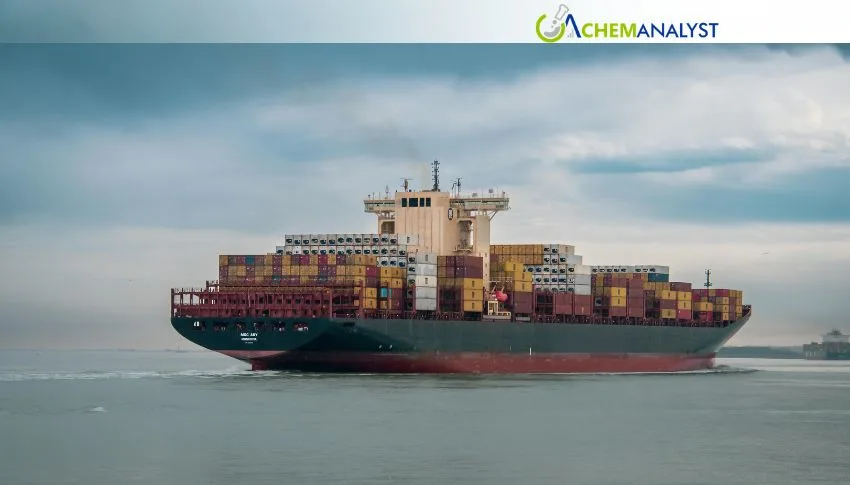
On June 10, 2026, Brent crude futures rose to $81.70 a barrel, while U.S. West Texas Intermediate (WTI) crude futures increased to $77.80 a barrel. This significant price hike followed claims by Yemen's Houthi rebels that they targeted a commercial vessel, the MSC Orion, with an unspecified naval weapon. The Houthis also announced an expansion of their maritime attacks to include ships in the Mediterranean Sea.
The Strait of Hormuz serves as a vital chokepoint, through which approximately one-fifth of the world's total oil consumption passes daily. The recent strikes underscore the ongoing regional instability, particularly against the backdrop of the Gaza conflict. The Houthis, backed by Iran, have been conducting attacks on shipping for months, prompting retaliatory strikes from U.S. and UK forces against Houthi targets in Yemen. Analysts from UBS noted that the geopolitical risk premium in oil markets is rising once again.
The escalating attacks near the Strait of Hormuz raise serious concerns about global oil supply disruptions. Such disruptions could lead to higher inflation due to increased energy costs worldwide. Shipping companies face heightened risks, potentially leading to rerouted vessels, longer transit times, and increased operational expenses. Price Futures Group analysts emphasized that the market's primary focus has shifted to these supply disruption fears. While OPEC+ plans to increase oil supply later in the year, and strong U.S. jobs data supports demand expectations, the immediate geopolitical risks have outweighed these factors in influencing prices.
Impact & Chemical Commodity Outlook
The strikes have reignited fears of prolonged Middle East instability, with the Strait of Hormuz—carrying nearly 20% of global oil flow—at risk of disruption. Expect sustained volatility in crude benchmarks, freight rates, and insurance premiums as shippers reroute vessels away from contested waters, lengthening transit times and inflating logistics costs.
For chemical commodities tracked by ChemAnalyst, this translates into upward feedstock cost pressure across the value chain. Naphtha, LPG, and other crude-derived feedstocks will likely see price increases, squeezing margins for downstream petrochemicals like polyethylene, polypropylene, and PVC. Aromatics (benzene, toluene, xylene) and olefins could face tightened supply and higher input costs. Freight-sensitive commodities, particularly those imported via Gulf routes, may see landed-cost inflation. If disruptions persist, expect cascading cost pass-through to plastics, fertilizers (ammonia/urea, gas-linked), and solvents. Markets will stay reactive to escalation signals, with OPEC+ supply plans offering only partial offsetting relief against near-term geopolitical risk premiums.








 About ChemAnalyst
Leave a Comment
Comments (0)