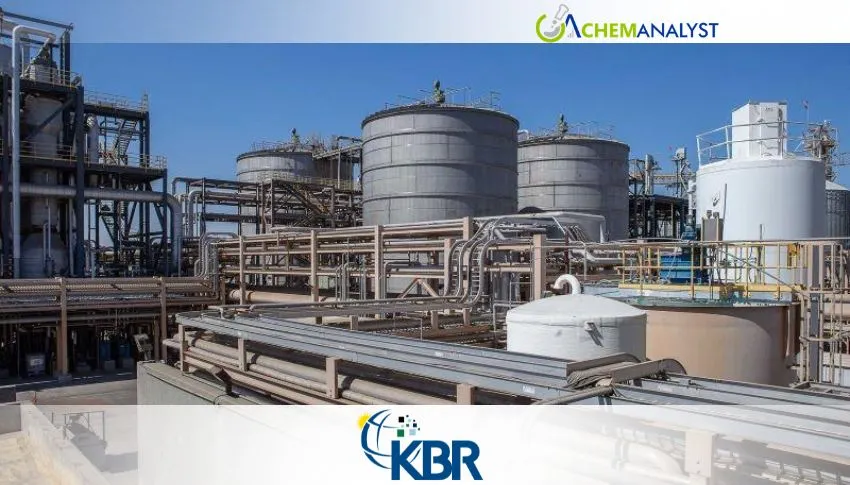
KBR has been selected to provide technology licensing and Front-End Engineering Design (FEED) services for a proposed sustainable aviation fuel (SAF) production facility being jointly developed by Keppel Ltd.'s Infrastructure Division and Aster Chemicals and Energy on Singapore's Jurong Island. The project represents a significant milestone in Asia's transition toward low-carbon aviation fuels and is expected to become the region's first commercial-scale ethanol-to-jet (ETJ) sustainable aviation fuel plant.
The project will utilize KBR's proprietary PureSAF™ technology, which enables the conversion of ethanol into sustainable aviation fuel. Originally developed by Swedish Biofuels AB, the technology has been engineered for large-scale commercial deployment by KBR, which also holds the exclusive worldwide licensing rights. The selection of PureSAF highlights confidence in its capability to support commercial SAF production while meeting the aviation industry's increasing demand for cleaner fuel alternatives.
Earlier this year, Keppel and Aster announced their strategic partnership to jointly evaluate the feasibility and development of the SAF facility. The proposed plant is designed with an annual production capacity of up to 100,000 metric tons of sustainable aviation fuel. However, the project's implementation remains subject to a final investment decision as well as the necessary regulatory approvals from the relevant authorities.
The facility is expected to strengthen Singapore's position as a regional hub for sustainable aviation fuel production while supporting broader decarbonization objectives within the country's aviation sector. As global airlines face mounting pressure to reduce greenhouse gas emissions and comply with increasingly stringent environmental regulations, investments in commercial-scale SAF production facilities are becoming increasingly important. The Jurong Island project aligns with Singapore's long-term sustainability strategy and supports the country's ambition of becoming Asia's leading center for SAF manufacturing and distribution.
Commenting on the development, Stuart Bradie, President and Chief Executive Officer of KBR, expressed enthusiasm about collaborating with Keppel and Aster on the landmark initiative. He noted that the project reflects the growing momentum behind sustainable aviation fuels and reinforces KBR's commitment to supporting global decarbonization efforts. According to Bradie, PureSAF is a highly flexible technology capable of processing a variety of ethanol feedstocks while producing a fully compatible drop-in jet fuel that can be used in aircraft without blending with conventional aviation fuel. This capability provides greater flexibility for producers operating in regions with varying feedstock availability and contributes to improving the economic viability of SAF production.
Bradie also emphasized that KBR continues to invest in technological innovation to further enhance the efficiency, adaptability, and cost-effectiveness of its PureSAF platform. By optimizing feedstock compatibility and lowering production costs, the company aims to accelerate the aviation industry's transition toward low-carbon fuels while supporting long-term sustainability goals.
Beyond the SAF project, KBR and Keppel's Infrastructure Division have also signed a Memorandum of Intent (MoI) to strengthen collaboration across a broader range of energy transition and decarbonization initiatives. The agreement outlines potential cooperation in several strategic sectors, including waste-to-energy technologies, advanced plastic recycling, biofuel production, sustainable aviation fuels, and artificial intelligence-driven digitalization solutions. This expanded partnership reflects both companies' commitment to developing integrated technologies that support the transition toward cleaner and more sustainable industrial operations.
KBR brings more than a century of experience in developing and commercializing clean fuel technologies. Throughout its history, the company has played a leading role in advancing innovative process technologies designed to improve energy efficiency and reduce carbon emissions across the refining and petrochemical industries. Today, KBR continues to expand its portfolio of low-carbon solutions by investing in next-generation technologies that help customers achieve their environmental and sustainability objectives while maintaining commercial competitiveness.
The selection of KBR's PureSAF technology for this landmark Singapore project demonstrates growing industry confidence in ethanol-to-jet pathways as a viable solution for scaling sustainable aviation fuel production. If successfully implemented, the facility will contribute significantly to regional SAF supply, strengthen Singapore's clean energy infrastructure, and support the global aviation sector's journey toward achieving net-zero emissions.
Impact on Products and Chemical Commodity Prices
The selection of KBR's PureSAF technology for Singapore's first commercial-scale ethanol-to-jet (ETJ) sustainable aviation fuel (SAF) plant is expected to strengthen demand for fuel-grade ethanol, the primary feedstock used in the production process. As the facility progresses toward commercialization, regional consumption of ethanol is likely to increase, encouraging investments in bio-based feedstock supply chains. Demand may also rise for hydrogen, catalysts, and process chemicals used during SAF production, while the availability of sustainable aviation fuel in Asia will improve over the long term. However, since the project is currently in the FEED and licensing phase and remains subject to final investment approval, the immediate impact on chemical markets will be limited. Consequently, ChemAnalyst-tracked commodities such as ethanol, methanol, sulfur, caustic soda, acetic acid, and other bulk petrochemicals are expected to witness minimal short-term price movement. Over the medium to long term, increasing SAF production capacity could provide modest upward support to ethanol prices, while the impact on other commodity chemicals is likely to remain largely neutral due to their diversified demand bases.







 About ChemAnalyst
Leave a Comment
Comments (0)