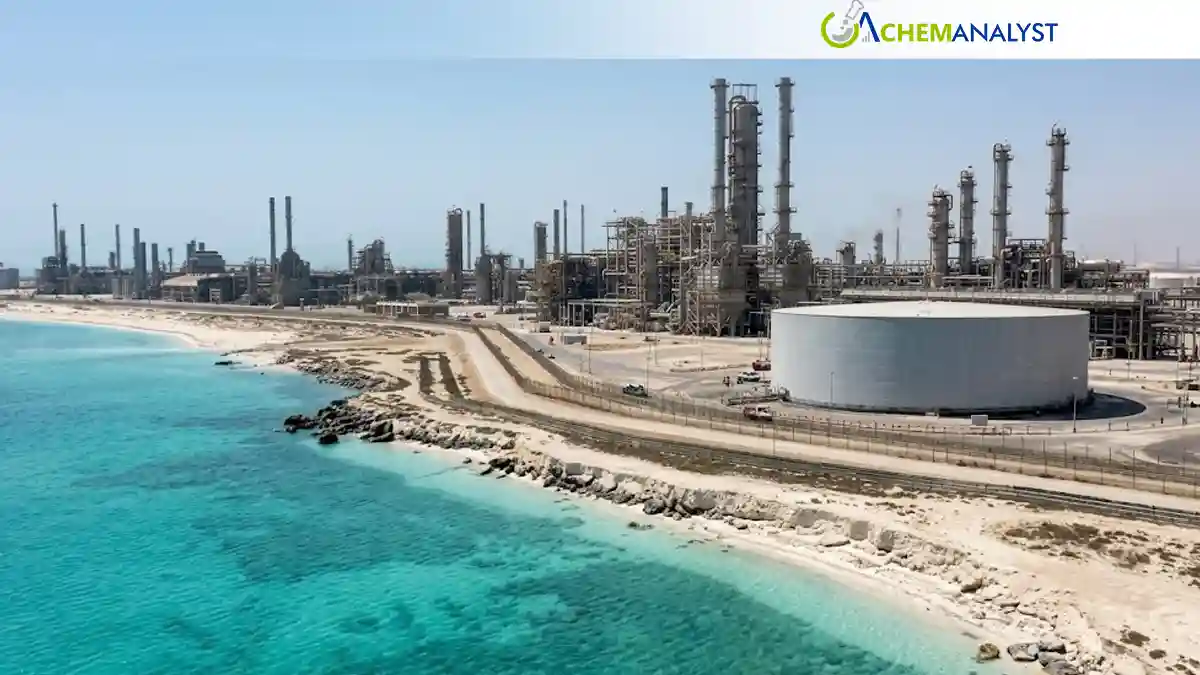
Global crude oil prices climbed to their highest levels in nearly six weeks on Wednesday as escalating geopolitical tensions in the Middle East intensified concerns over disruptions to critical energy supply routes. Growing military confrontations between the United States and Iran, combined with renewed threats from Yemen's Iran-backed Houthi militia, have heightened fears of interruptions to global crude shipments, prompting a sharp rise in oil prices.
Brent crude futures advanced by $2.84, or 3.12%, reaching $93.85 per barrel, while U.S. West Texas Intermediate (WTI) crude gained $2.93, or 3.47%, to trade at $87.27 per barrel. Both international benchmarks touched their strongest levels since June 11 as traders assessed the increasing risks to global oil transportation.
The latest surge follows continued U.S. military strikes targeting Iranian positions. According to the U.S. military, it conducted an eleventh consecutive night of operations, while Iranian drone activity prompted Kuwait to activate its air defense systems to intercept aerial threats. These developments have further intensified uncertainty surrounding the security of the region's major oil-export routes.
Market concerns are primarily centered on the Strait of Hormuz, one of the world's most important maritime passages for crude oil exports. The situation has become even more complex after the Houthi movement expanded its threats by warning that vessels carrying Saudi crude through the Bab el-Mandeb Strait could become potential targets. The group also announced a naval blockade against Saudi Arabia, raising concerns over another critical shipping corridor connecting the Red Sea with global markets.
The Bab el-Mandeb Strait has become increasingly significant for Saudi Arabian exports, particularly after shipping activity through the Strait of Hormuz declined following the collapse of the recent ceasefire between the United States and Iran. As security risks increased, several Saudi oil tankers destined for China and India reportedly altered their routes, turning away from the Red Sea and choosing safer alternatives via the Suez Canal.
Asian refiners are also adjusting procurement strategies by rerouting cargoes from Saudi Arabia's Yanbu export terminal through the Suez Canal and around the Cape of Good Hope to reduce exposure to the conflict zone. Although these longer routes ensure supply continuity, they increase transportation costs and shipping times.
Meanwhile, inventory data offered mixed market signals. The American Petroleum Institute reported a rise in U.S. crude oil and distillate inventories during the previous week, while gasoline stocks declined. Investors are now awaiting official inventory figures from the U.S. Energy Information Administration for further insight into supply-demand fundamentals. Despite higher inventories, geopolitical tensions remain the dominant factor supporting crude prices.
Impact on Products and Chemical Commodity Prices
Higher crude oil prices are expected to increase production and transportation costs across the petrochemical value chain. Feedstocks such as Naphtha, Propylene, Ethylene, Benzene, Toluene, Mixed Xylene, MTBE, Styrene, Polyethylene (HDPE, LDPE, LLDPE), Polypropylene, PVC, MEG, and PTA may experience upward pricing pressure as refiners and petrochemical producers face rising input costs. Longer shipping routes through the Suez Canal or around Africa could further elevate freight expenses, tightening regional supply. According to ChemAnalyst's tracked markets, sustained geopolitical tensions are likely to support bullish pricing trends for energy-linked chemicals, particularly in Asia and Europe, if disruptions continue over the coming weeks.








 About ChemAnalyst
Leave a Comment
Comments (0)