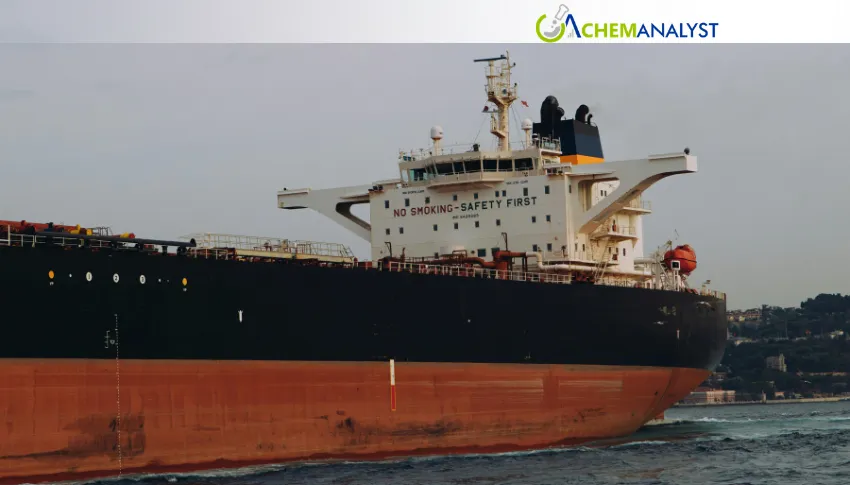
The fragile ceasefire between the United States and Iran, reached just a month ago, has collapsed as both nations resumed missile strikes, reigniting tensions in the Middle East. The renewed conflict has once again disrupted shipping through the Strait of Hormuz, one of the world’s most critical oil transit routes, creating fresh uncertainty for global energy markets and major oil-importing countries such as Australia.
The strategic waterway handles a substantial share of global crude oil and liquefied natural gas shipments. The latest escalation has prompted concerns over rising transportation costs after Iran targeted vessels navigating the Strait, while the United States proposed imposing a 20% cargo-based transit fee on ships passing through the region. Such additional costs are expected to be transferred throughout the energy supply chain, ultimately increasing fuel prices for consumers.
The supply situation has become even more challenging due to Russia suspending diesel exports following extensive drone attacks on its refining infrastructure. With Russian diesel largely unavailable to international buyers, global diesel availability has tightened significantly. Benchmark diesel prices in Asia have already surged, and Singapore Gasoil—the primary pricing benchmark for the Asia-Pacific region—has recorded another sharp increase as traders anticipate further supply constraints.
Australia faces particular vulnerability because it imports nearly 80% of its refined petroleum products after the closure of much of its domestic refining capacity over the past two decades. Although Australia does not purchase Russian diesel because of sanctions, countries that traditionally relied on Russian supplies are now seeking alternative cargoes, intensifying competition for available diesel exports from other producing nations.
Global inventories provide little comfort. Strategic petroleum reserves in the United States remain near their lowest levels in decades after substantial emergency releases during previous energy disruptions. This limits the ability of governments to stabilize markets through coordinated stock releases if the current crisis continues.
Australia's fuel reserves also remain below the International Energy Agency’s recommended emergency stockholding level. While domestic fuel consumption has declined modestly across petrol, diesel, and jet fuel, helping extend available inventories, prolonged disruption at the Strait of Hormuz could still expose the country to supply shortages and higher import costs.
Consumers are therefore likely to experience rising fuel prices if shipping disruptions persist and diesel supplies remain constrained. Higher transportation expenses would also increase operating costs across freight, mining, agriculture, aviation, and logistics sectors, potentially contributing to broader inflationary pressures.
Although Iran's weakening economy and declining oil exports may limit its ability to sustain a prolonged conflict, uncertainty remains elevated. Political developments and upcoming elections in both the United States and Israel could influence future diplomatic efforts, but for now, global energy markets are expected to remain highly volatile as geopolitical tensions continue to threaten one of the world's most important energy corridors.
Market impact: The renewed US-Iran conflict is expected to tighten global energy and petrochemical supply chains, supporting higher prices for crude oil, diesel, gasoil, jet fuel, fuel oil, and naphtha due to disrupted shipments through the Strait of Hormuz and rising freight costs. Petrochemical feedstocks such as ethylene, propylene, benzene, toluene, mixed xylene, and methanol are also likely to witness upward price pressure as production and logistics costs increase. Fertilizer commodities, including ammonia and urea, may become more expensive because of higher natural gas and transportation expenses. Overall, ChemAnalyst-tracked energy and chemical commodities are expected to maintain a bullish pricing outlook.








 About ChemAnalyst
Leave a Comment
Comments (0)