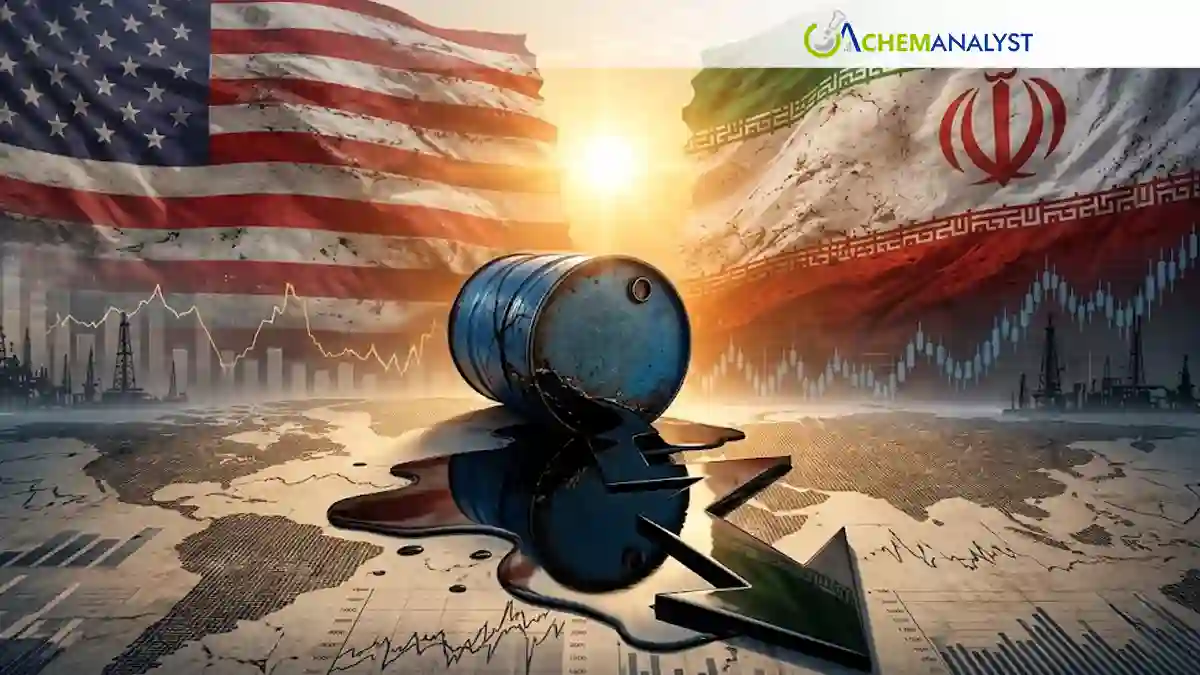
On July 8, 2026, a fragile ceasefire between the United States and Iran faced significant strain following renewed hostilities in the Strait of Hormuz. The US military launched a new series of strikes against Iran and simultaneously revoked a temporary sanctions waiver that had permitted Iran to sell its crude oil. These actions came in direct response to attacks on three commercial tankers in the vital shipping lane, which US, Qatari, and Saudi officials attributed to Iran.
The immediate catalyst for the US response was the targeting of three commercial vessels within the Strait of Hormuz. These included a Saudi-flagged crude oil tanker, the Wedyan, and the Qatari tanker Al-Rekayyat. The US considered Iran's actions "wholly unacceptable" and a violation of the existing memorandum of understanding. Iran, however, countered these claims, stating it was diligently fulfilling its commitments but warned that commercial ships faced risks when using routes not coordinated with Iranian authorities. The timing of these escalations coincided with the days-long funeral for Iran's Supreme Leader Ayatollah Ali Khamenei, who was killed on February 28, 2026, at the war's outset.
The renewed conflict poses a serious threat to the interim ceasefire agreement between the US and Iran, raising the specter of a broader regional conflict. Iran's foreign ministry condemned the US strikes and the revocation of the oil waiver as breaches of the framework agreement, warning of "decisive measures" and a "crushing response" to protect its national security. In retaliation, Iran reportedly launched strikes targeting Bahrain and Kuwait, leading to missile alerts in both nations. This latest development revives long-standing concerns over the freedom of navigation in the Strait of Hormuz, a critical international waterway. Iran's clerical leadership also expressed intentions to establish a permanent fee collection system for transit through the strait, a move that would fundamentally alter the regional balance of power. The US actions also unexpectedly overshadowed a NATO summit in Turkey, with European allies expressing concern over not being consulted on the US-Israeli war on Iran.
The escalation immediately impacted global energy markets. Oil prices surged by over 3 percent, with Brent crude rising above $76 a barrel, reversing a previous decline to pre-war levels. This price increase reflects market anxieties over potential disruptions to oil supplies from the Middle East. The US Treasury Department's revocation of the temporary oil sanctions waiver mandates that Iran conclude all oil transactions by July 17, 2026. Iran typically exports approximately 1.6 million barrels of oil daily, primarily to China, meaning this restriction could force China to seek alternative supplies and further drive up global prices. Historically, disruptions in the Strait of Hormuz, which accounts for 20 percent of global oil supply, have caused fuel shortages and ripple effects across the global economy.
Impact on Prices of Chemical Commodities Tracked by ChemAnalyst
The renewed escalation in the Strait of Hormuz is expected to exert a bullish influence on chemical commodity prices tracked by ChemAnalyst. As around 20% of global crude oil shipments pass through the strait, higher crude prices and potential supply disruptions will raise feedstock costs for petrochemicals such as ethylene, propylene, benzene, toluene, mixed xylene, naphtha, methanol, polyethylene (HDPE, LDPE, LLDPE), polypropylene, PVC, styrene, polystyrene, PTA, MEG, and phenol. Fertilizer markets, including urea and ammonia, could also strengthen due to increased natural gas and logistics costs. Rising marine freight rates and insurance premiums are likely to add further cost pressure across global supply chains. Asian markets, particularly China and India, may face tighter feedstock availability as Chinese refiners seek alternative crude sources following restrictions on Iranian exports. Overall, persistent geopolitical uncertainty is expected to keep energy-linked chemical prices firm to higher in the near term unless regional tensions ease significantly.







 About ChemAnalyst
Leave a Comment
Comments (0)