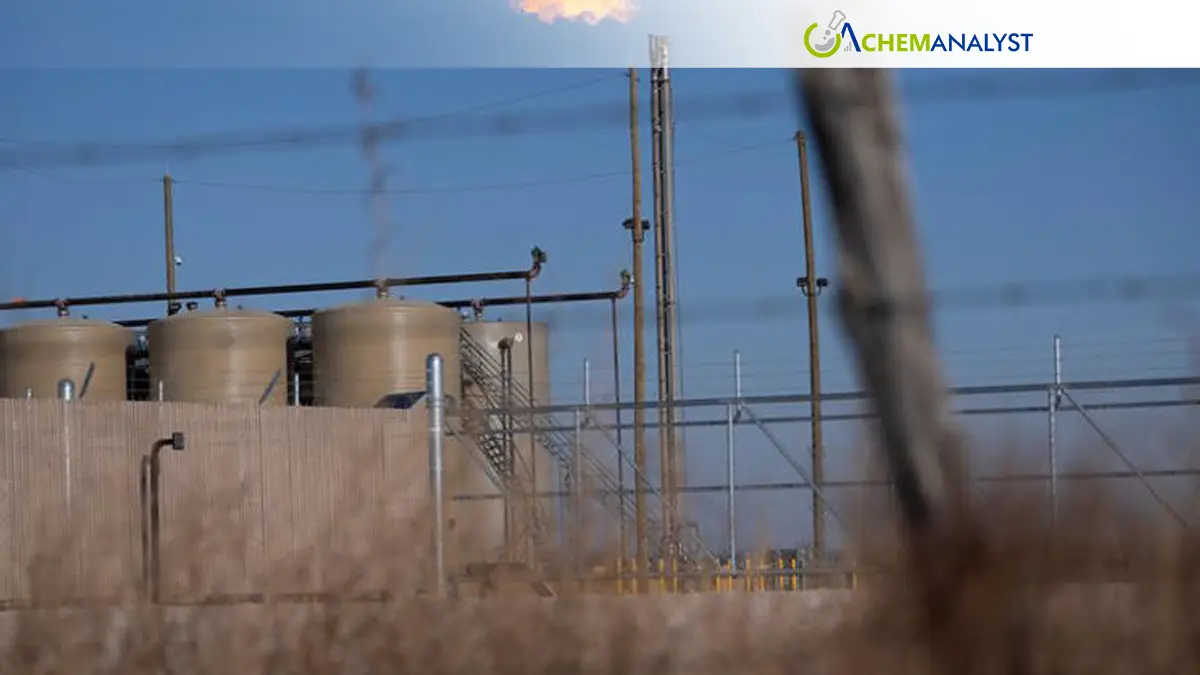
Oil prices experienced a slight increase on Tuesday, July 7, 2026, with Brent crude futures rising to $72.29 and U.S. West Texas Intermediate (WTI) crude reaching $68.84 a barrel. These modest gains followed a Monday session where prices had fallen to levels observed before the recent conflict involving Iran. The market's attention has shifted from geopolitical tensions to the balance of supply recovery and global demand prospects.
Initial relief from reduced geopolitical tensions in the Middle East led to an easing of the immediate risk premium on oil. However, market participants remain cautious due to the uncertain nature of U.S.-Iran relations. President Donald Trump reiterated on Monday that the United States would either secure a deal with Iran or "finish the job," renewing threats of military action. Investors are closely monitoring discussions between the U.S. and Iran regarding shipping through the critical Strait of Hormuz.
Global oil supply has seen significant increases. The United Arab Emirates (UAE) raised its crude output in June to more than 3.8 million barrels per day (bpd), marking its highest production since April 2020 and exceeding pre-Iran conflict levels. Furthermore, the Organization of the Petroleum Exporting Countries (OPEC) and its allies, known as OPEC+, agreed on Sunday to boost output targets by an additional 188,000 bpd starting in August. This follows similar production increases in June and July. Saudi Arabia also signaled increased supply by cutting the August official selling price for its flagship Arab Light crude to Asia by $11 a barrel, the largest reduction in over two decades.
While the market has largely absorbed the positive news regarding increased supply, the future direction of oil prices hinges on actual physical demand aligning with optimistic forecasts. Analysts are particularly watching for early signs of demand recovery, especially from China. J.P. Morgan anticipates lower-than-expected draws on Organization for Economic Cooperation and Development (OECD) commercial inventories. This suggests that demand destruction may be occurring, implying less upward pressure on prices for the remainder of the year.
The surge in crude oil supply and Saudi Arabia's price cuts could benefit major importing regions, such as Asia, by reducing energy costs. Lower oil prices generally support economic activity by decreasing operational expenses for industries and consumers. However, if the anticipated demand does not materialize, as suggested by the potential demand destruction, it could signal broader economic slowdowns, impacting energy sector revenues and investment.
Impact on Prices of Chemical Commodities Tracked by ChemAnalyst
The latest developments are likely to exert bearish to stable pressure on prices of crude oil-derived chemical commodities tracked by ChemAnalyst. Increased OPEC+ production, record UAE output, and Saudi Arabia's sharp reduction in official selling prices indicate ample crude availability, which could lower feedstock costs for petrochemical manufacturers. Products such as Naphtha, Benzene, Toluene, Mixed Xylene, Styrene Monomer, Ethylene, Propylene, Polyethylene (HDPE, LDPE, LLDPE), Polypropylene, MEG, PVC, PTA, and other downstream petrochemicals may witness softer pricing if crude remains under pressure. Asian markets, in particular, could benefit from cheaper feedstock imports, improving refinery margins and petrochemical production economics. However, geopolitical uncertainty surrounding Iran and the Strait of Hormuz may continue to trigger intermittent price volatility. Unless demand from major consuming regions, especially China, improves significantly, abundant supply is expected to outweigh demand growth, keeping most chemical commodity prices stable to slightly lower in the coming weeks.







 About ChemAnalyst
Leave a Comment
Comments (0)