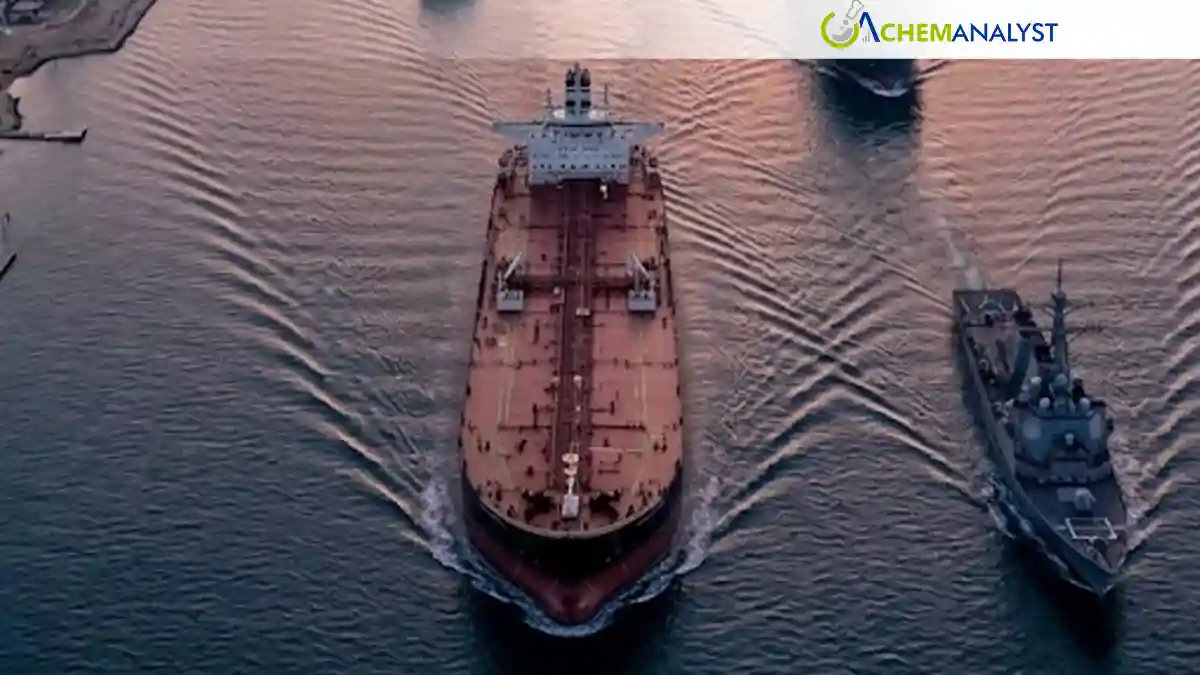
The United States has intensified its economic and military pressure on Iran, reimposing a naval blockade and enacting sweeping new sanctions. These actions followed a breakdown in negotiations and renewed Iranian attacks on commercial shipping within the strategic Strait of Hormuz. In response, several Iran-linked vessels navigated the strait just before the blockade fully took effect.
The US Department of the Treasury's Office of Foreign Assets Control (OFAC) announced extensive new sanctions on Tuesday, July 14, 2026. These measures targeted over 50 individuals, companies, and vessels. The sanctions aim to dismantle an illicit shipping and sanctions evasion network linked to Iranian oil magnate Mohammad Hossein Shamkhani. US officials describe this network as a primary facilitator of Iran's oil exports and global shipping operations. The sanctions also froze multiple digital asset wallets allegedly tied to Iran's central bank, blocking over $130 million.
Simultaneously, the US military, through Central Command (CENTCOM), resumed enforcing a naval blockade against vessels traveling to and from Iranian ports. This blockade took effect at 4 PM ET on Tuesday, July 14, 2026. This marks a significant escalation, reversing a previous policy that had temporarily eased restrictions on Iranian exports. The US blames renewed attacks on merchant shipping in the Strait of Hormuz for this policy shift.
Before the full implementation of the US blockade on Wednesday, July 15, 2026, a notable increase in vessel traffic linked to Iranian trade occurred through the Strait of Hormuz. Shipping data indicated that nine of eleven vessels transiting the strait on Tuesday, July 14, 2026, utilized the Iranian route. This included empty oil tankers entering the strait and other vessels departing with Iranian exports, such as crude oil, refined products, and liquefied petroleum gas.
Some reports from April 2026 also noted Iran-linked vessels using unusually circuitous routes, navigating narrow passages between Iran's Larak and Qeshm islands to enter the Persian Gulf. These tactics suggest an evolving strategy to circumvent the blockade and avoid confrontation. While Iran claimed some of its oil tankers successfully passed through, the US Central Command maintained that no vessels breached its blockade, stating that any attempting transit were turned back.
These actions significantly heighten geopolitical tensions between the US and Iran. The Strait of Hormuz is a crucial maritime chokepoint, with over 20 percent of the world's oil and liquefied natural gas exports passing through it annually. Any disruption here can severely impact global energy markets and economic stability.
The sanctions aim to dismantle Iran's financial infrastructure supporting its government and global shipping activities. They also carry the risk of secondary sanctions for foreign companies continuing business with designated entities. The renewed blockade and sanctions will likely slow maritime traffic through the strait, requiring clearance from multiple navies and potentially increasing transit times. This situation underscores the strait's enduring role as a linchpin of global stability and a critical factor in international relations.
Impact on Chemical Commodity Prices Tracked by ChemAnalyst
The escalation is bullish for energy-linked chemical commodities. Crude Oil and Naphtha prices are likely to rise due to supply concerns and higher freight costs. LPG (Propane and Butane) may strengthen as Iranian exports face disruptions. Ethylene, Propylene, and Polyolefins (PE, PP) could witness cost-push price increases because of higher feedstock costs. Methanol prices may firm if Middle Eastern exports are affected. Ammonia and Urea may also edge higher as natural gas-linked production costs increase. Aromatics (Benzene, Toluene, Xylene) could gain on stronger oil prices. Overall, the development is expected to create upward pricing pressure across global petrochemical value chains.








 About ChemAnalyst
Leave a Comment
Comments (0)