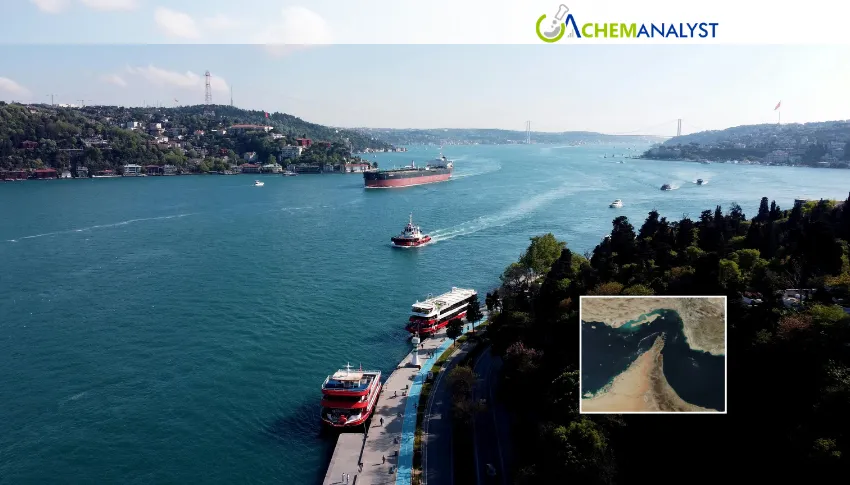
Recent escalations in geopolitical tensions between the United States and Iran have significantly impacted global oil shipping, stock markets, and the broader energy sector. These developments, primarily centered around the strategic Strait of Hormuz, have led to fluctuating oil prices and increased security concerns for maritime trade.
The current crisis intensified after the US Central Command reportedly struck over 80 targets in Iran. Iran's military retaliated by targeting 85 US military sites. Concurrently, the US revoked a waiver that previously allowed Iran to sell oil globally, further escalating economic pressure on Tehran. These actions have been labeled by some US lawmakers as a "historic blunder" by the Trump administration, with the Senate voting to direct the President to withdraw troops from the conflict.
A critical flashpoint has been the Strait of Hormuz, a vital chokepoint for global oil transit. Three commercial vessels, including the Qatari liquefied natural gas (LNG) tanker Al Rekayyat, faced attacks near the strait, raising immediate concerns about maritime security. War-risk insurers responded by pushing for voyage pauses for tankers, highlighting the elevated risks.
Initially, shipping traffic through the strait slowed significantly. However, maritime activity rebounded, with about 24 commodity vessels, including oil and LNG tankers, transiting the waterway on a recent Monday. Despite this resumption, Iran and Oman are pressing ahead with plans to impose service fees on ships passing through the Strait of Hormuz, a move opposed by the United States and its Western allies.
The heightened tensions immediately sent ripples through global markets. Brent crude oil prices rose to $78 per barrel following the initial military exchanges. Stock markets also reacted negatively, with, for example, the Pakistan Stock Exchange losing over 4,600 points amid the US-Iran situation.
While oil prices initially jumped, they later saw some decline as shipping activity through the Strait of Hormuz increased, easing fears of severe supply disruptions. West Texas Intermediate (WTI) crude slipped below $70 a barrel, and front-month Brent futures recorded their largest quarterly decline since 2020, falling by nearly one-third. The US sanctions have also left millions of barrels of Iranian oil stranded at sea. In response to the evolving situation, seven OPEC+ members agreed to increase oil production quotas by 188,000 barrels per day in August, aiming to stabilize global supply.
Impact on Prices of Chemical Commodities Tracked by ChemAnalyst
The US-Iran conflict is expected to keep chemical commodity prices tracked by ChemAnalyst highly sensitive to movements in crude oil and natural gas markets. Petrochemical feedstocks such as Naphtha, Ethylene, Propylene, Benzene, Toluene, Mixed Xylene, Styrene Monomer, and Methanol may witness short-term price volatility as crude prices fluctuate with geopolitical developments. Polymer markets, including Polyethylene (HDPE, LDPE, LLDPE), Polypropylene, and PVC, could experience temporary cost pressure due to higher feedstock and freight expenses. Fertilizer products such as Ammonia and Urea may also remain volatile given the region's importance in energy exports. However, OPEC+'s planned production increase and the resumption of tanker traffic through the Strait of Hormuz should prevent sustained supply shortages, limiting long-term price spikes. Overall, ChemAnalyst is likely to observe short-term bullish sentiment and increased price volatility rather than a prolonged structural increase, unless military tensions escalate further or shipping disruptions intensify.

 About ChemAnalyst
Leave a Comment
Comments (0)