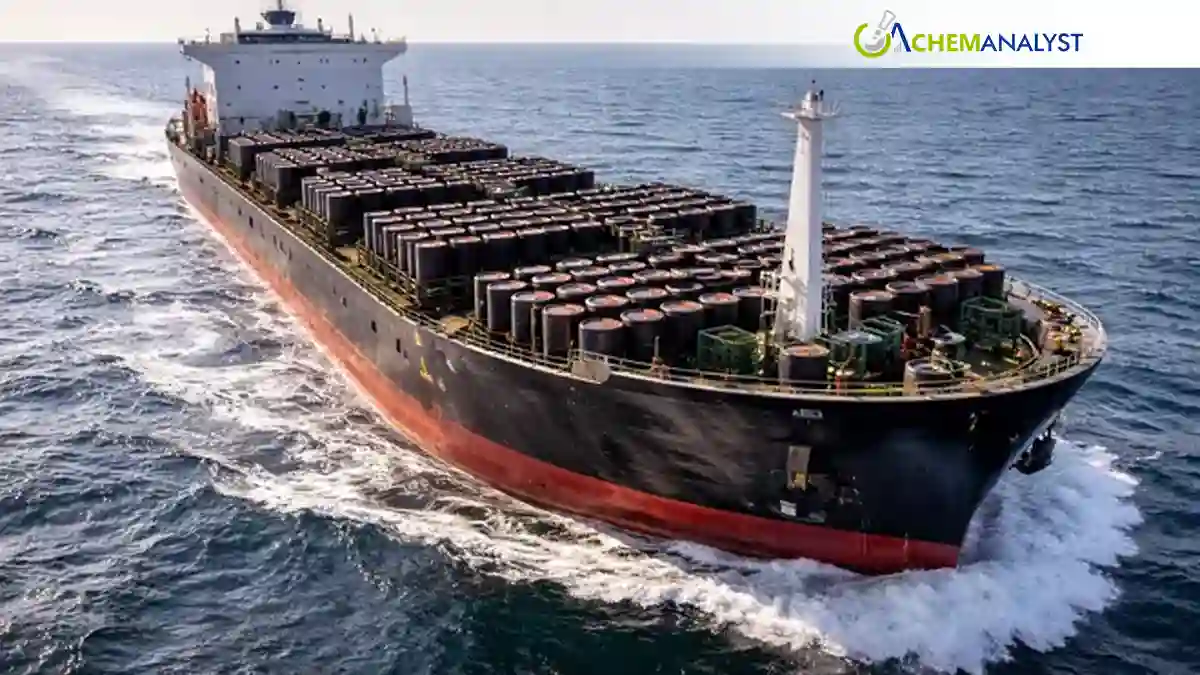
Global oil prices continued to move lower on Wednesday as confidence gradually returned to shipping activity through the Strait of Hormuz, easing concerns about a severe and prolonged disruption to crude oil supplies from the Gulf region. While geopolitical tensions have not completely disappeared, improving maritime operations and ongoing diplomatic efforts have encouraged traders to reassess the level of risk previously built into oil markets.
During Asian trading hours, West Texas Intermediate (WTI) crude hovered around $72.50 per barrel after briefly falling to approximately $71.94, marking its lowest level in nearly three months. Brent crude also remained close to four-month lows, extending recent losses that followed developments in diplomatic negotiations between the United States and Iran. Market participants have become increasingly optimistic that major supply disruptions may be avoided, reducing the need for a significant geopolitical premium in crude prices.
A major factor behind the decline in oil prices has been the gradual normalization of vessel traffic through the Strait of Hormuz. This strategic waterway is one of the world's most critical energy transit routes, carrying a substantial portion of global seaborne crude oil and liquefied natural gas exports. Earlier disruptions had raised fears of supply shortages and prompted traders to bid prices higher.
However, recent efforts led by international maritime authorities have helped improve the situation. The International Maritime Organization has obtained safety guarantees that allow hundreds of vessels previously stranded in the region to begin departing in a phased manner. Although the traditional traffic management system in the strait remains partially disrupted, alternative navigation routes have enabled commercial shipping operations to resume at a more stable pace.
The return of tanker traffic has significantly influenced market sentiment. Traders who had accumulated positions based on fears of escalating supply disruptions are now reducing those positions as transportation conditions improve. Nevertheless, shipping activity has not yet fully returned to pre-disruption levels, and some degree of caution remains within the market.
Beyond shipping improvements, the global supply outlook has also become less restrictive. Energy producers, exporters, and buyers have demonstrated an ability to adapt to logistical challenges more effectively than initially anticipated. According to the International Energy Agency (IEA), crude exports from the United Arab Emirates recovered to nearly 85% of their pre-conflict levels by early June. This recovery has been supported by the use of alternative export routes, expanded storage capacity, and flexible shipping arrangements.
Adding further pressure to oil prices, the United States recently granted a new 60-day waiver permitting certain transactions involving Iranian crude oil and refined petroleum products. This development raises the possibility of additional Iranian barrels reaching international markets, particularly in Asia. The prospect of increased supply comes at a time when traders are already questioning whether previous price increases driven by geopolitical concerns were justified.
Despite these positive developments for supply and logistics, uncertainty remains. Diplomatic discussions involving Iran, Oman, and the United States continue, particularly regarding the future management and security of navigation through the Strait of Hormuz. At the same time, conflicting statements from Washington and Tehran regarding the status of broader nuclear-related negotiations have created ambiguity about the long-term outlook.
U.S. President Donald Trump has stated that Iran has agreed to renewed international nuclear inspections, while Iranian officials have disputed those claims, arguing that detailed nuclear discussions have yet to formally commence. The outcome of these negotiations could have a significant impact on future oil prices.
For now, the market appears to be pricing in improved shipping conditions and a reduced likelihood of immediate supply disruptions rather than assuming a lasting geopolitical resolution. If diplomatic progress continues and tanker movements normalize further, crude prices may remain under pressure. However, any breakdown in negotiations or renewed tensions in the Gulf region could quickly restore the risk premium that has recently been removed from the market.
Market Impact: The decline in crude oil prices following the resumption of tanker movements through the Strait of Hormuz and easing geopolitical tensions is expected to have a broadly bearish impact across the petrochemical and chemical value chain. Lower crude oil prices reduce feedstock and energy costs for refiners and petrochemical producers, improving operating margins and encouraging stable production rates.
For products directly linked to crude oil and naphtha, such as Ethylene, Propylene, Benzene, Toluene, Mixed Xylene, Styrene Monomer, Polyethylene (HDPE, LDPE, LLDPE), Polypropylene, and Polyvinyl Chloride (PVC), downward pricing pressure may emerge as feedstock costs soften. Market participants may also delay purchases in anticipation of further price corrections, adding to bearish sentiment.
Methanol and downstream chemicals could experience mixed impacts. While lower energy costs support production economics, demand fundamentals will continue to play a critical role in determining price direction. Similarly, synthetic rubber products and solvents may see modest cost relief due to reduced upstream hydrocarbon prices.
For commodities tracked by ChemAnalyst, including Acetic Acid, Monoethylene Glycol (MEG), Purified Terephthalic Acid (PTA), Phenol, Acetone, and other petrochemical derivatives, the news is likely to create short-term price weakness or at least limit upward momentum. Freight and logistics costs may also ease as shipping routes normalize, further reducing delivered costs.
Overall, the development is expected to be moderately bearish for global chemical prices, as improved crude supply flows and lower geopolitical risk premiums reduce production and transportation costs across the chemical industry.







Leave a Comment
Comments (0)