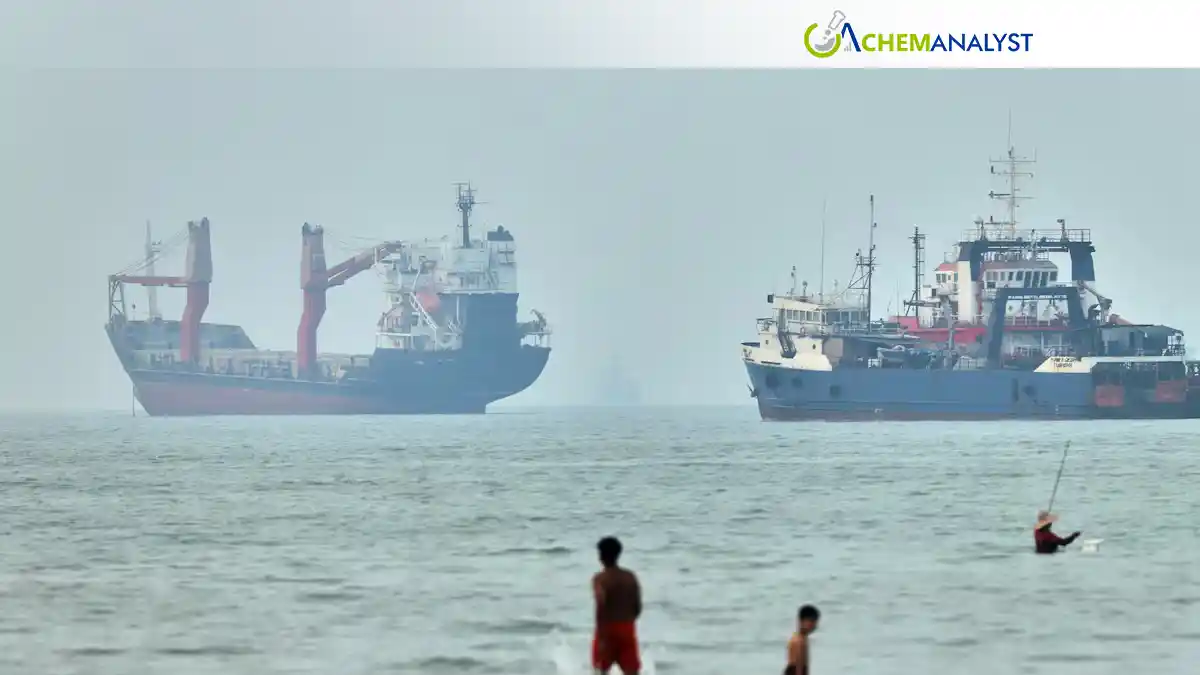
Iran and Oman are currently engaged in negotiations to establish a payment model for vessels transiting the strategically vital Strait of Hormuz. This initiative marks a significant departure from the historical free passage through the waterway, which is crucial for global hydrocarbon and fertilizer shipments. The discussions stem from Iran's determination to monetize its strategic control over the Strait, which it considers a "divine gift" and a powerful instrument of its influence.
Historically, merchant ships have passed through the Strait of Hormuz without charge. However, a war initiated in late February by Donald Trump and Benjamin Netanyahu has changed this status quo. Iran has demonstrated its capacity to control the Strait, signaling a clear intention to alter previous arrangements. A temporary peace accord, signed in June, guarantees free passage for 60 days while a permanent solution is sought. Iran has made it clear that the previous free transit will not return after this interim period.
The core of the negotiations involves implementing a system of tolls or service fees. Oman has proposed a framework for voluntary service fees, drawing inspiration from models used in the Straits of Malacca and Singapore, which collect donations for maritime safety and navigation. Oman publicly maintains that mandatory payments for simple navigation would violate international law. In contrast, Iran insists on mandatory payments, expecting to generate hundreds, or even thousands, of millions of dollars from these charges.
The proposed payment model has triggered strong opposition from the United States. President Donald Trump has deemed any transit fees "unacceptable," fearing such a precedent could encourage similar demands along other global maritime routes. Washington is leveraging the prospect of lifting sanctions on Iranian oil in these discussions. European administrations, while opposing transit fees, are focused on ensuring any finalized mechanism complies with international legal standards.
Implementing a payment system would significantly increase shipping costs for nearly a fifth of the world's oil, liquefied natural gas (LNG), and fertilizers. These additional costs would likely be passed on to chartering companies and, ultimately, to global consumers, impacting energy prices and international trade. During earlier conflicts, disruptions in the Strait of Hormuz caused oil prices to soar, underscoring its critical role in global energy security. Iran's ability to control and monetize this waterway remains a powerful bargaining chip in its ongoing negotiations with the United States.
Impact on Prices of Chemical Commodities Tracked by ChemAnalyst
The proposed Strait of Hormuz transit fee mechanism is expected to exert bullish pressure on chemical commodities tracked by ChemAnalyst. Rising crude oil, natural gas, and freight costs would increase feedstock and transportation expenses, supporting higher prices for ethylene, propylene, benzene, toluene, mixed xylene, methanol, ammonia, urea, sulfur, polyethylene (HDPE, LDPE, LLDPE), polypropylene, PVC, PET, styrene, MEG, PTA, and other petrochemical derivatives. Fertilizer markets could also strengthen due to increased export costs from the Middle East. While the immediate impact may be driven by market sentiment and risk premiums, prolonged implementation of transit fees would likely result in sustained cost-push inflation, tighter regional supply, and elevated chemical prices across Asia, Europe, and other import-dependent markets







 About ChemAnalyst
Leave a Comment
Comments (0)