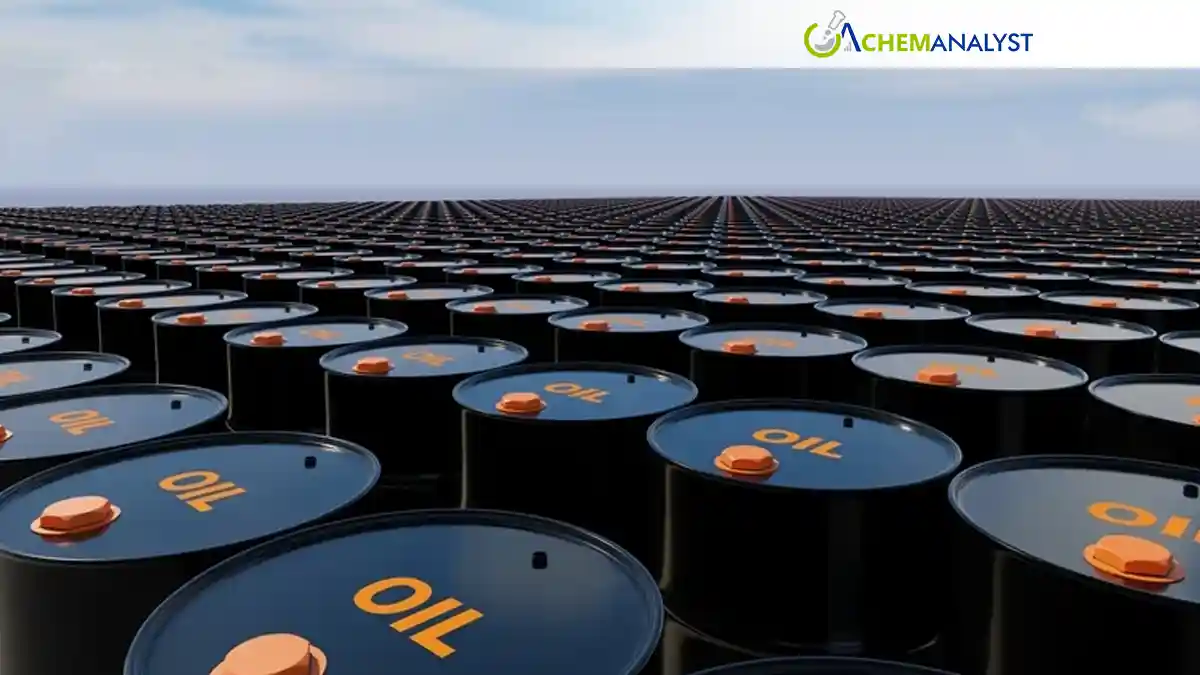
World oil prices saw a decline on July 6, 2026, with both Brent and U.S. West Texas Intermediate (WTI) crude futures experiencing drops. Brent crude futures fell to approximately $71.88 a barrel, while WTI crude slipped to about $68.58 a barrel. U.S. markets were closed on July 5 for the Independence Day holiday, so WTI did not settle then. This downward movement follows a period where prices had largely stabilized after weeks of earlier declines.
Several significant developments contributed to the dip in crude oil prices. A primary cause was the Organization of the Petroleum Exporting Countries and its allies (OPEC+) agreeing to further increase their production targets from August. This decision will add 188,000 barrels per day (bpd) to global supplies, continuing the group's strategy of gradually restoring output.
Another crucial factor is the ongoing recovery of crude oil exports through the Strait of Hormuz. An interim peace agreement between the United States and Iran has facilitated the resumption of oil shipments from the Persian Gulf. This geopolitical development has led to vessel traffic recovering in the region, reducing the "war premium" previously built into oil prices.
Looking ahead, Macquarie Group has significantly revised its oil price forecasts for 2026 and 2027. The bank now anticipates Brent crude to average $77 a barrel in 2026, a notable reduction from its earlier estimate of $89. For 2027, their forecast for Brent crude has also been cut to $64 a barrel from $74. These revised expectations stem from the belief that crude flows from the Middle East will normalize more rapidly than previously thought.
Technical analysis for WTI crude oil suggests a continued bearish trend. The commodity remains within a descending trend line, and indicators such as Stochastic and the Relative Strength Index (RSI) point to potential for further declines before any significant buying interest might emerge.
While the US-Iran agreement has helped ease supply concerns by reopening shipping lanes, lingering geopolitical risks and uncertainties surrounding global demand continue to exert pressure on prices. The improved flow of crude through the Strait of Hormuz also supports the resilience of the East-West container freight market by stabilizing vessel traffic. However, the broader container shipping sector is experiencing its own rate surges due to strong demand and tight capacity.
Impact on Products and ChemAnalyst-Tracked Chemical Commodities
The decline in global crude oil prices is expected to exert downward pressure on the cost structure of petroleum-derived products and energy-intensive chemical value chains. Lower Brent and WTI prices reduce feedstock costs for refineries and petrochemical producers, potentially easing production expenses for downstream chemicals. Commodities tracked by ChemAnalyst, including Naphtha, Ethylene, Propylene, Benzene, Toluene, Mixed Xylene, Styrene Monomer, Polyethylene (HDPE, LDPE, LLDPE), Polypropylene, PVC, MEG, PTA, MTBE, Phenol, Acetone, Butadiene, and Base Oils, may witness softer pricing if crude remains weak and feedstock availability improves. Improved crude exports through the Strait of Hormuz also enhance supply chain stability, lowering freight-related cost pressures for chemical shipments. However, the extent of price declines will depend on regional demand, refinery operating rates, inventory levels, and geopolitical developments. Overall, the news is bearish for crude-linked chemical feedstocks, with moderate downward pressure likely on petrochemical prices in the near term.







 About ChemAnalyst
Leave a Comment
Comments (0)